Featured
Table of Contents
When services focus greatly on volume and sales speed without equivalent attention to the client experience after the sale, it creates a disconnect. Clients feel like a number rather of a concern. Transformation starts much earlier than many people recognize: It starts in marketing It continues through the sales process And it's reinforced through how clients are welcomed, supported, and guided For higher-ticket deals, especially, some level of personal connection throughout the sales process is ending up being significantly important again.
Group details sessions, behind-the-scenes walkthroughs, and opportunities to ask questions live can offer clearness and confidence without frustrating your capability. As we move forward, services that design their deals and delivery around genuine change will stand out in a crowded market. Another pattern that will continue to get traction is the requirement for well-designed entrance offers.
Not only in you, however in themselves and their capability to follow through and get outcomes. An entrance deal allows them to do exactly that.
Entrance offers a more steady, trust-based course into deeper work, and they support healthier long-lasting development. Simpler flows are ending up being more effective, however with one important shift: personalization and segmentation matter more than ever.
It's about importance. This is where AI can be exceptionally effective when utilized tactically. When you can tailor messaging, material, and next actions based on somebody's objectives, preferences, and phase of awareness, the experience feels supportive instead of overwhelming. Businesses that invest the time to create customized journeys will see higher engagement and stronger conversion, even with simpler total systems.
Essential Revenue Support Strategies to Modern Leaders
The companies and leaders who thrive will be the ones who understand how all the pieces fit together. This shift impacts group roles, pricing, and how competence is positioned in the market.
January 15, 2026 12 minutesMarket shifts, technology disruptions, and rising client expectations mount daily in 2026. Organization owners and leaders face pressure as new rivals transform markets nearly overnight. This post delivers seven proven, actionable growth strategies for service that drive genuine lead to today's unpredictable environment. Inside, you will discover practical approaches for client engagement, innovation, functional quality, and more.
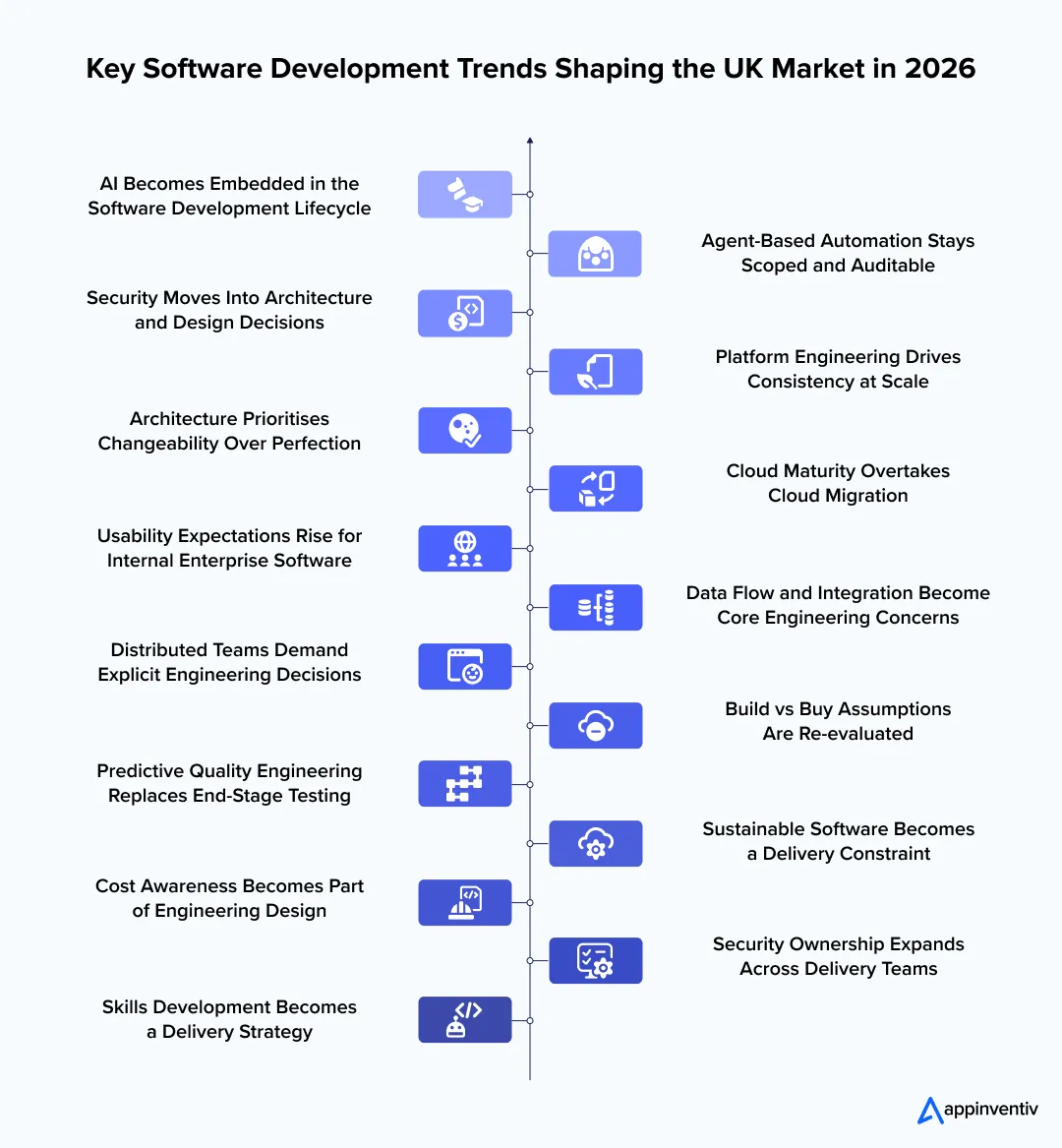
Business leaders must adapt quickly or run the risk of being left behind. Development strategies for company in 2026 are shaped by synthetic intelligence adoption, standardized remote work, and shifting supply chains.
Utilizing New AI to Optimize Enterprise Growth
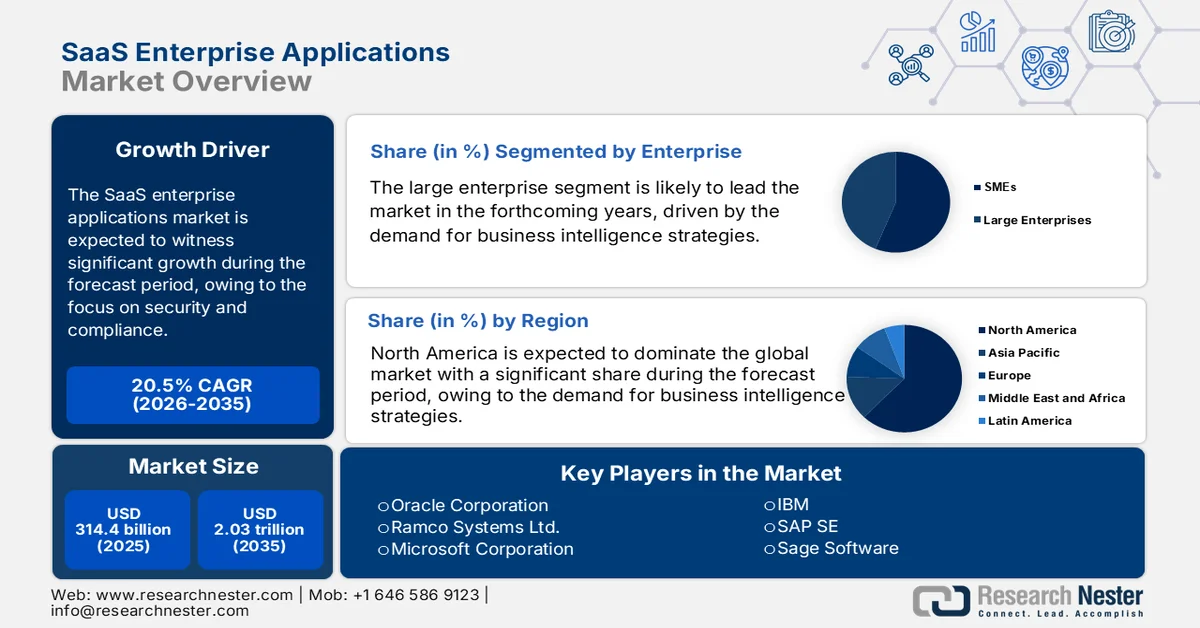
Digital-first experiences are necessary, and clients require smooth personalization. Competitors intensifies as start-ups and worldwide brands strongly go into new markets. Over 80 percent of business prepare to improve digital financial investments this year. According to Gartner's Strategic Predictions for 2026, agility and adaptability are now vital for organizations pursuing sustainable development.
Rising costs and market fragmentation add intricacy, especially in medical and home services sectors. These industries battle with functional inefficiencies and stalled growth, often due to out-of-date procedures or lack of digital combination.
Research shows that integrating market growth with functional effectiveness yields remarkable outcomes. Businesses that diversified into brand-new markets while streamlining internal operations consistently exceeded rivals.
Growing Enterprise Software in the Future
Lots of companies develop ambitious strategies, however only those focusing on real-world application attain sustainable growth. Rather than relying on unclear advice, businesses need actionable tactics and clear ownership.

By moving from preparing to action, leaders ensure their efforts equate into measurable outcomes. Adjusting to the quick speed of 2026 needs innovation, execution, and strategic vision. The most successful organizations deploy techniques that are actionable, measurable, and shown in real-world scenarios. In 2026, market penetration indicates deepening relationships with existing customers.
Leading organizations take advantage of data to create sophisticated consumer segmentation, allowing customized offers and targeted loyalty programs. Companies utilizing data-driven customization report over 20 percent higher repeat sales, showing the power of this approach.
Advanced Revenue Support Strategies to Modern Teams
Typical risks include over-automation, which can make interactions feel impersonal, and overlooking customer feedback. To prevent these, routinely review consumer information and implement feedback loops.
How DC Companies Outmatch the CompetitorsBusiness that regularly progress their product or services stay ahead of shifting consumer requirements and competitors. Tesla exhibits iterative advancement, often updating automobile features based on user feedback. Google broadened far beyond search by introducing AdWords, transforming digital marketing forever. Collecting continuous customer feedback, rapid prototyping and minimum viable item (MVP) launches, and routinely tracking market trends through information analysis.
With 60 percent of 2026 development predicted from brand-new offerings, the important is clear. Prevent development for its own sake; focus on worth production and genuine customer effect.
This vibrant approach spreads risk and opens brand-new profits streams. Determining high-potential markets begins with data.

Latest Posts
Navigating Next-Gen Ranking Systems Changes
How API-First Design Empowers Scaling Systems
Impactful Front-End UX Patterns to Boost ROI